



Homework? Less urgent.
Motivation? Fading.
School? Starting to feel optional.
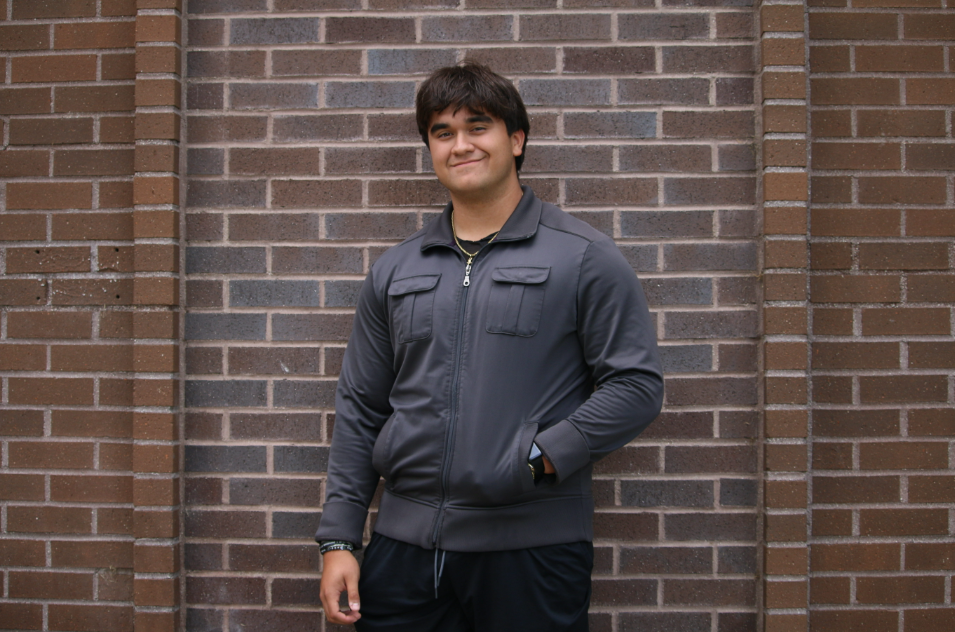
Senior Mikel Cho said that once he committed to the University of California, Riverside, the rhythm of school changed.
Homework and studying no longer felt as urgent, and spending time with friends became easier to prioritize during the final months of senior year.
“I definitely have less motivation to do work now,” Cho said. “I know in my head that I’m already committed to a school, and after college applications, I feel so free and just keep on going out without doing homework or studying.”
For Cho and many other seniors, that shift has a name: senioritis. Though often joked about, senioritis refers to a decline in effort and focus that can set in once college applications are over and graduation is in sight. At Sunny Hills, students and teachers say it can show up as procrastination, weaker attendance, lower grades and a growing sense that high school is already over before it actually is.
THE ‘Y’ BEHIND THE YAWN
A February 2024 Southern New Hampshire University article described senioritis as a condition affecting students near the end of their courses. According to the article, common signs include procrastination, missed assignments, lower grades, loss of interest in studies and even skipping class.
The article also said senioritis may stem from burnout, anxiety about leaving one stage of life behind or a desire to move more quickly into the next chapter of life.
While students often describe senioritis as laziness or a lack of motivation, teachers say the pattern is more complicated than that.
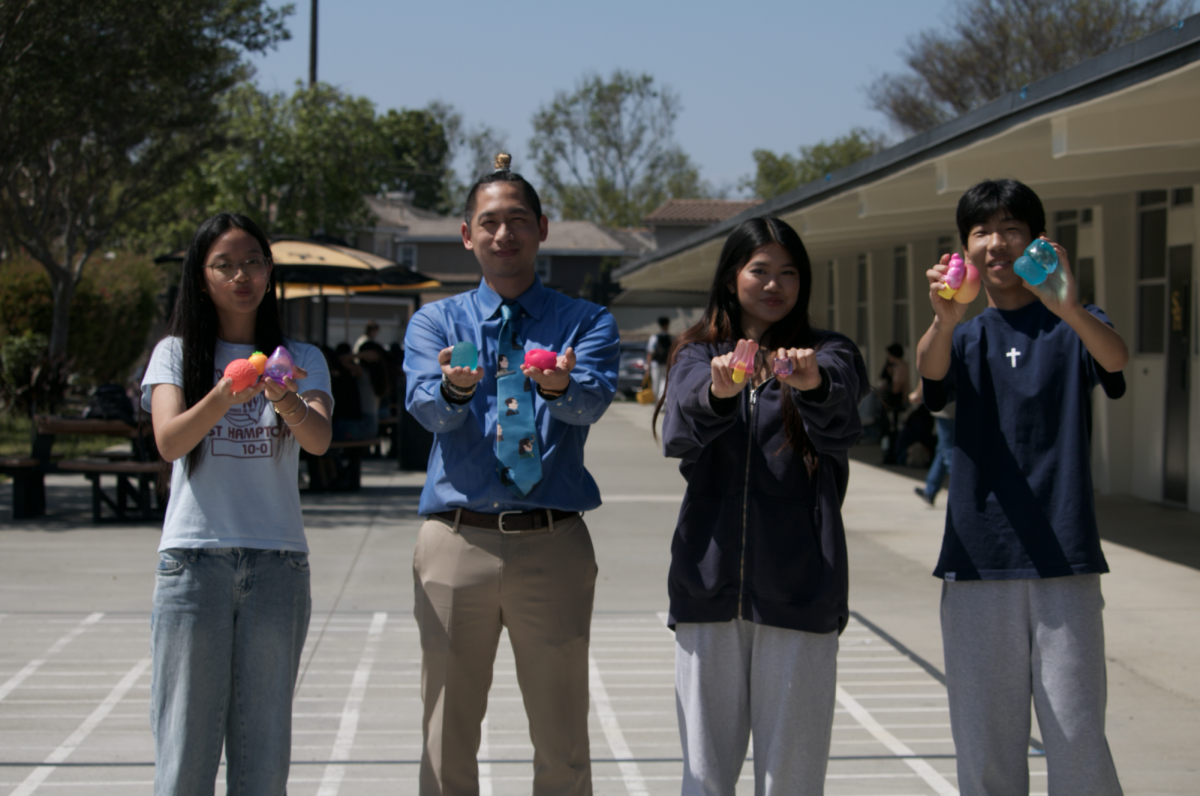
Advanced Placement [AP] United States Government and Politics and AP Macroeconomics teacher Hera Kwon said many classic signs of senioritis are visible in the classroom.
“From a teacher’s perspective, I think it’s the same as the students’ perspective, not coming to class, not doing your assignments, procrastinating, waiting until the last minute … just being generally disengaged,” Kwon said. “For some students, the issue is not that they dislike school itself, but that they no longer want to keep up with the workload.”
She said seniors are often balancing more than just academics during their final months of high school.
“I think there are a lot of different things that seniors are focusing on,” the teacher said. “Rather than just school, they’re looking for part-time jobs, applying to college and trying to make decisions about what they’re going to do after high school.”
The balancing act is already affecting some seniors on campus.
Senior Kalani Lodrigueza, who runs her own baking business, said the time her work demands can make it harder to keep up with school.
“The only struggles I really have with my business and school are that the days that I prepare and bake take many, many hours, so I end up not being able to finish homework that night and having to do it in the morning, or I go to bed really, really late after working a lot,” Lodrigueza said. “My business is run by me, and I’m the only one who bakes, so multitasking is something I had to learn and learn how to do it well.”
At the same time, Kwon said she is not fully convinced senioritis is always something exclusive to seniors.
“An unmotivated student is an unmotivated student,” Kwon said. “You can call them a freshman, a sophomore, a junior or a senior; you just put the word “-itis” after it.”
For AP Environmental Science teacher Andrew Gartner, however, the timing of the shift is what makes senioritis stand out.
“Second semester, once seniors already know what colleges they’re getting into or going to, they just drop off, either attendance-wise or just overall effort,” Gartner said.
He said the difference becomes especially noticeable later in the spring.
“I could look at a senior from October or November and compare his/her overall ability to do what he/she needs to do, and how that decreases significantly after March,” the science teacher said.
That drop in effort can eventually affect grades, too, Gartner said.
“I think test scores are going to correspond to the lack of effort, for sure,” he said. “They’re kind of like, ‘Well, it doesn’t matter, as long as I get this grade, it’ll be fine.’”
Both teachers also pointed to increased independence as one possible reason motivation begins to slip. Kwon said seniors who can drive may start testing boundaries by leaving campus for lunch, returning late or struggling to balance jobs and school responsibilities. Gartner said the shift is not just behavioral, but mental as well.
“Once you get senioritis, you’re kind of in a pass-fail mindset,” Gartner said. “They’re like, ‘Oh, it’s a pass or not pass; I don’t have to get 100% on it as long as I pass.’”
For Gartner, one of the biggest downsides is not just academic, but personal.
“The last couple of months of your senior year should be a fun time hanging out with your friends, but then you could still be present with them,” he said.
Attendance office staff members Dash Guevera-Pulido and Maggie Chavez said that trend is visible beyond the classroom as well. They said senior attendance patterns typically worsen during the second semester, especially after spring break, when more students begin checking out early or miss class altogether.
Specifically, they said the reasons range from college visits and orientations to jobs and other outside responsibilities. In some cases, those attendance issues can lead to real consequences.
“We have had one senior not attend prom this year,” Guevara-Pulido said. “We’ve also had another senior lose the privilege to check out.”
LATE, LOST AND LESS LOCKED IN
Students said the effects of senioritis do not always look the same.
Senior Justine Ueno said her senioritis symptoms are more related to burnout and procrastination than skipping school.
“For me at least, I don’t skip class, but when I’m in class, I just don’t want to do anything,” Ueno said. “I try not to avoid school because I know I have to go anyway, or if I skip, I’ll have to come back and make up for what I missed, so everything is done reluctantly.”
She said the feeling may come from both the exhaustion of senior year and the relief that follows college applications.
“I think a lot of things contribute to senioritis, such as the burnout of applications, classes and homework,” Ueno said. “However, I also think that the relief of being done with applications contributes to senioritis since it relieves a lot of pressure.”
For senior Edward Galvez, college decisions can make the shift even more obvious.
“Because they got accepted to the college they wanted to go to, seniors no longer care about high school,” Galvez said. “So they’re like, ‘Yeah, I’ll miss an assignment here and there; I don’t really care about going to class, so I’ll skip.’”
Galvez said he sees senioritis more clearly in other students and in his dual-enrollment courses than in his AP classes.
“In terms of college classes, the feeling usually sets in toward the end of the year,” he said.
The change can affect daily habits outside the classroom, Cho said.
“It affects me and others, like my friends, because we always stay up late to play games,” he said. “It’s never for homework; also, a lot of my friends procrastinate and start to skip school more to go out and eat.”
He said the problem can easily become academic.
“I think it’s affected students academically,” Cho said. “Since we are less motivated, that means we procrastinate more or don’t want to do homework, which will affect our grades, causing missing assignments or poor test scores.”
Lodrigueza said she does not feel senioritis as strongly herself, but she still sees it affecting others on campus.
“I don’t really have much senioritis,” she said. “I think I’m just ready to graduate; I’m ready for the next chapter in my life.”
Even so, Lodrigueza said the mindset is visible among seniors who are eager to move on.
“Senioritis, to me, is when students have a decline in their motivation at school, and it ends up holding them back in their senior year,” the senior said.
She said the effects can show up both academically and socially.
“I’ve definitely seen other people’s attendance decline, but to be honest, my grades started to slip because I was tired of doing homework,” she said.
Senior Evan Han, however, said senioritis is not always entirely negative. In some cases, Han said, students may use that extra time to rest, work or focus on other responsibilities.
“I would say that ‘senioritis’ is not as horrible as it is viewed,” he said. “It can be used to do genuinely productive things, such as working, visiting other colleges or simply just taking the time to actually rest.”
Still, he said the mindset can become harmful when students check out without using that time well.
“I think the negative connotation comes from when seniors skip and don’t do anything,” Han said.
Students also said the effects can reach beyond classwork. Galvez said senioritis can weaken social connections when students stop showing up consistently.
“A lot of your social life is here at school, and if you’re not going to be here, you lose a lot of those connections,” he said. “Senioritis can affect your grades, your mental health and your overall social standing.”
But Ueno said not every student experiences the same ripple effects.
“I think senioritis hurts grades and attendance, but I don’t see a clear effect on social lives,” she said.
While Cho said his motivation has dropped, he also described senioritis as tied to freedom and a desire to make the last months of high school count.
“Have fun and make high school last because everyone wants to get out,” he said. “High school’s something we can never return to.”
‘SEE’-NIOR YEAR
Though the topic may only seem prevalent to seniors, junior Cameron Kim said underclassmen are already watching the pattern unfold.
“Honestly, I think about senioritis as being burnt out, especially seniors who grind for three and a half years toward college, and then the second semester finally comes around, and they just don’t have the motivation anymore to work,” Kim said.
Kim said the issue is not universal. Some of the seniors in his International Baccalaureate classes remain highly motivated, even while others seem mentally checked out, he said.
Specifically, what worries him most is that the mindset has already become part of campus culture, Kim said.
“A lot of people even before senior year say, ‘Oh, second semester comes around, I’m going to dip,’” the junior said. “I feel like that’s ingrained in a lot of people’s heads.”
He said that attitude can affect more than just seniors themselves.
“The seniors are examples for other students,” he said. “They still look up to the upperclassmen, and just seeing them slack off is probably not the best look for the school or the senior class.”
For both students and teachers, the main message was that the finish line being close does not mean it’s already been crossed. Kwon said the best way for incoming seniors to avoid the worst effects of senioritis is simple: keep showing up.
“Just come to school to show up,” she said. “Once students begin missing class here and there, it can quickly snowball into a much bigger problem.”
As graduation approaches, senioritis may make the end of high school feel optional. But for many seniors, the real challenge is learning how to celebrate what comes next without checking out of what is still in front of them.