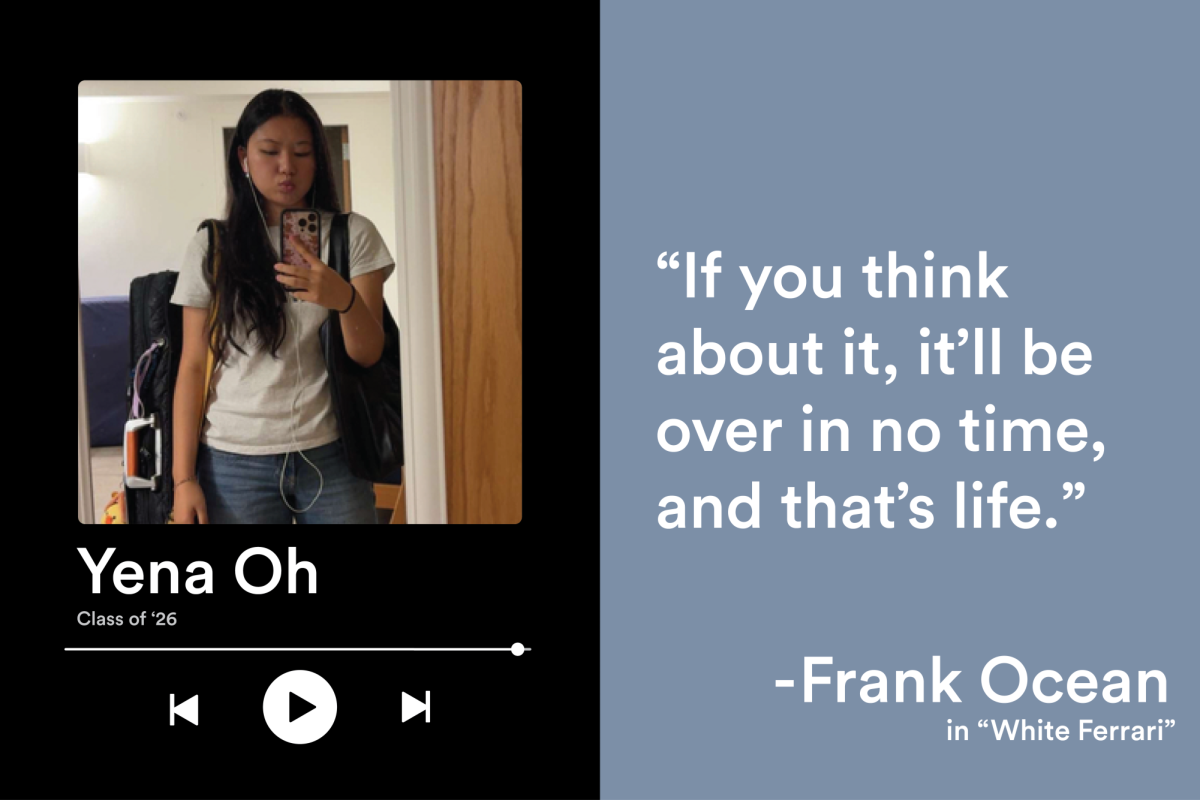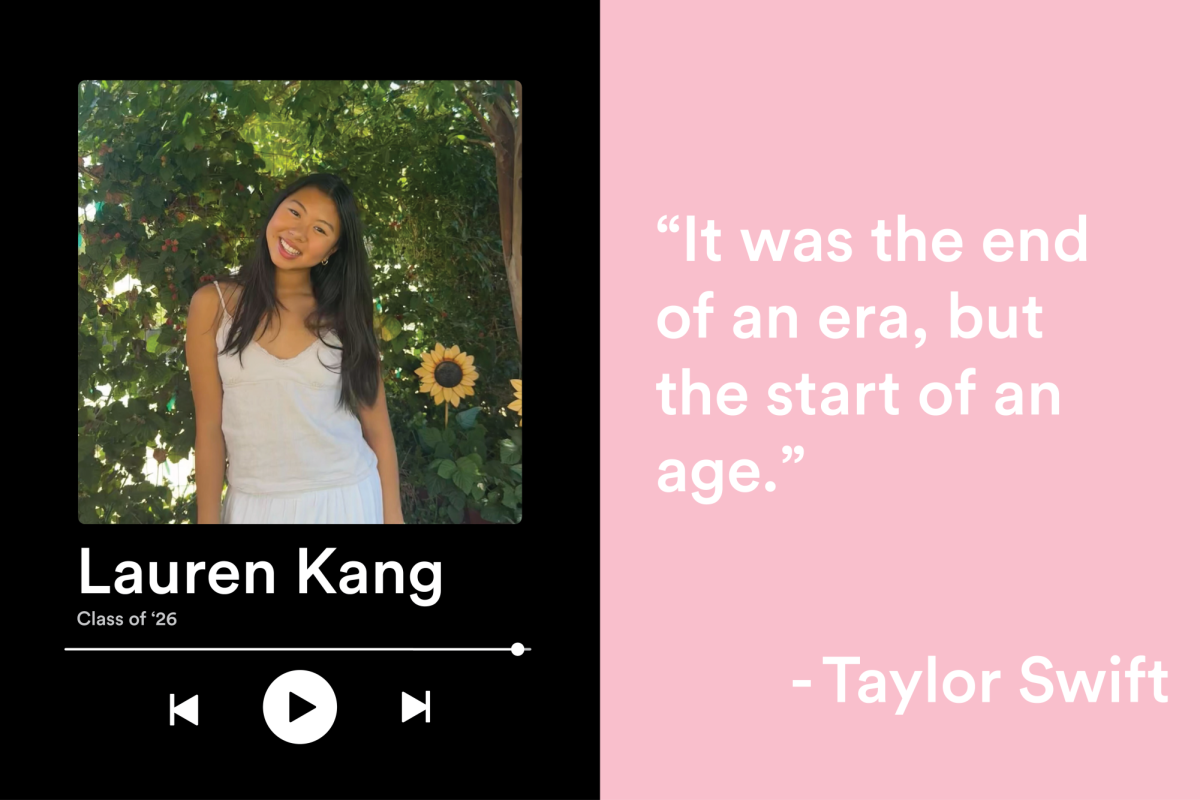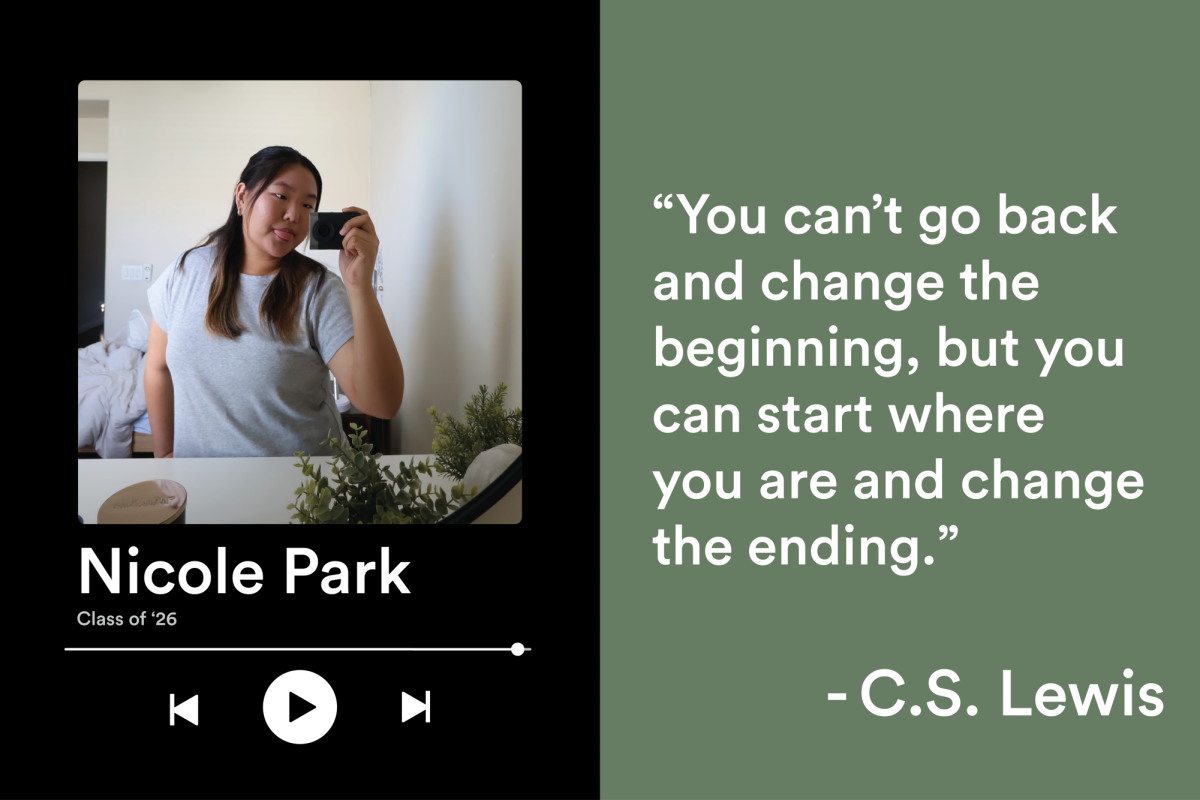

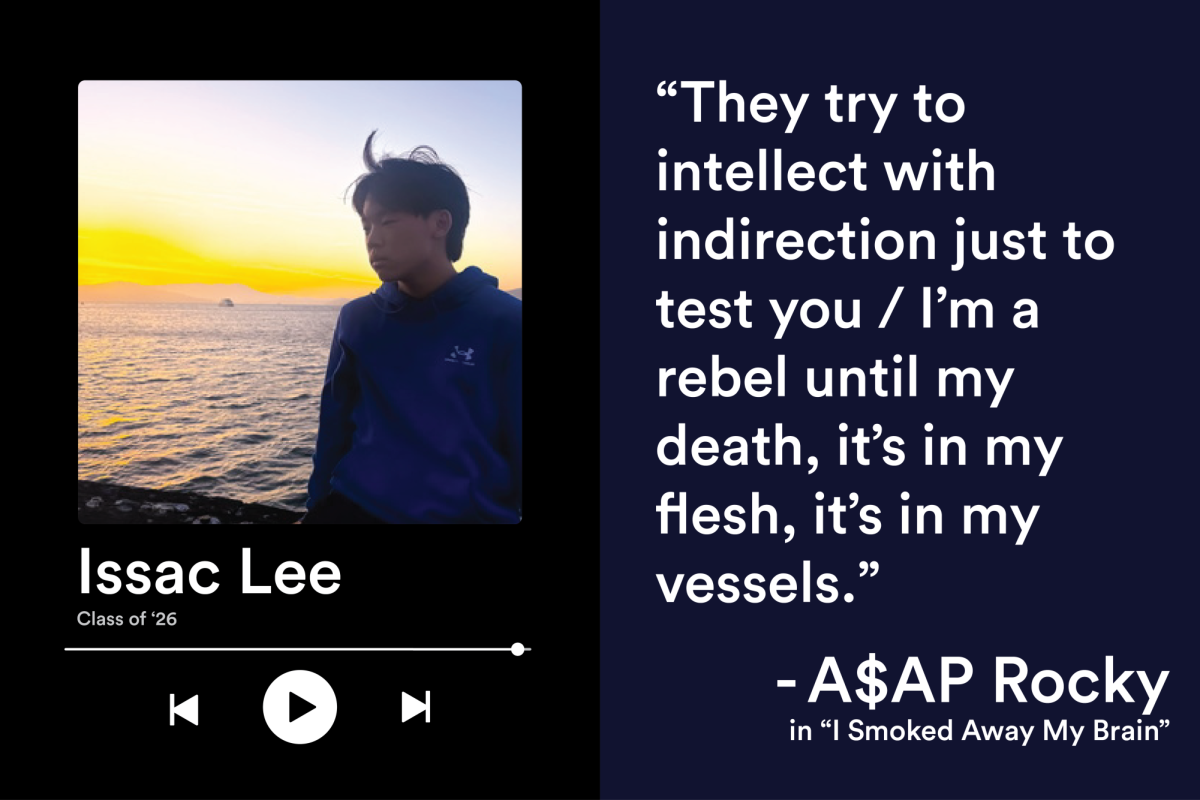
I joined journalism hoping to find my voice in writing. Instead, I was handed a camera and told to find everyone else’s.
When I first took Journalism 1 in my sophomore year, I thought I knew what I wanted. I wanted to write, improve my English and if I’m being honest, add something meaningful to my college applications. English was my weakest subject, so joining a class filled with strong writers already felt like entering a meeting unprepared.
Still, I expected journalism to be an easy A since it was a non-honors class. After taking the prerequisite class, I applied to The Accolade in my junior year, hoping for a writing position. Then the staff list came out.
Not a reporter. Not a copy editor. Video team member.
A paralyzing feeling ran through my body. I stood still as I watched everyone around me get their desired positions. On the outside was a fake smile; on the inside lingered a horror.
I did not know how to shoot clean footage, edit smoothly or turn an idea into something people would actually want to watch. Finding students willing to be interviewed was already hard enough, but convincing them to be recorded made it even worse.
Most of the time, I was not even holding a professional camera. With only two cameras shared among the team, I often used my phone and hoped it looked intentional enough. For a while, I treated video like something I just had to get through.
Writing felt like real journalism to me. The video felt like extra content.
That changed when I attended the 2025 Orange County Journalism Education Association competition as The Accolade’s only representative for the broadcast section. I listened to a judge talk about a documentary he made during the COVID-19 pandemic. As he described the people he filmed, some of whom later died, he began to cry.
I remember sitting there, realizing how inexperienced I was compared to others. They had professional effects, expensive cameras and intriguing videos about protests, but more than that, I started to look at videos in a new light. It was not just B-roll or another deadline; it was a way to inform people about important news.
After that, I started seeing my role differently. Lingering on the thought of the judge, I started to care more. People expected me to deliver news. I had to live up to that expectation.
I thought harder about interviews, shots and how to make a video feel like a story instead of just an assignment. I was still quiet and behind the scenes, and maybe some people still saw me as lazy or useless because video work was not always obvious. But I knew I was contributing.
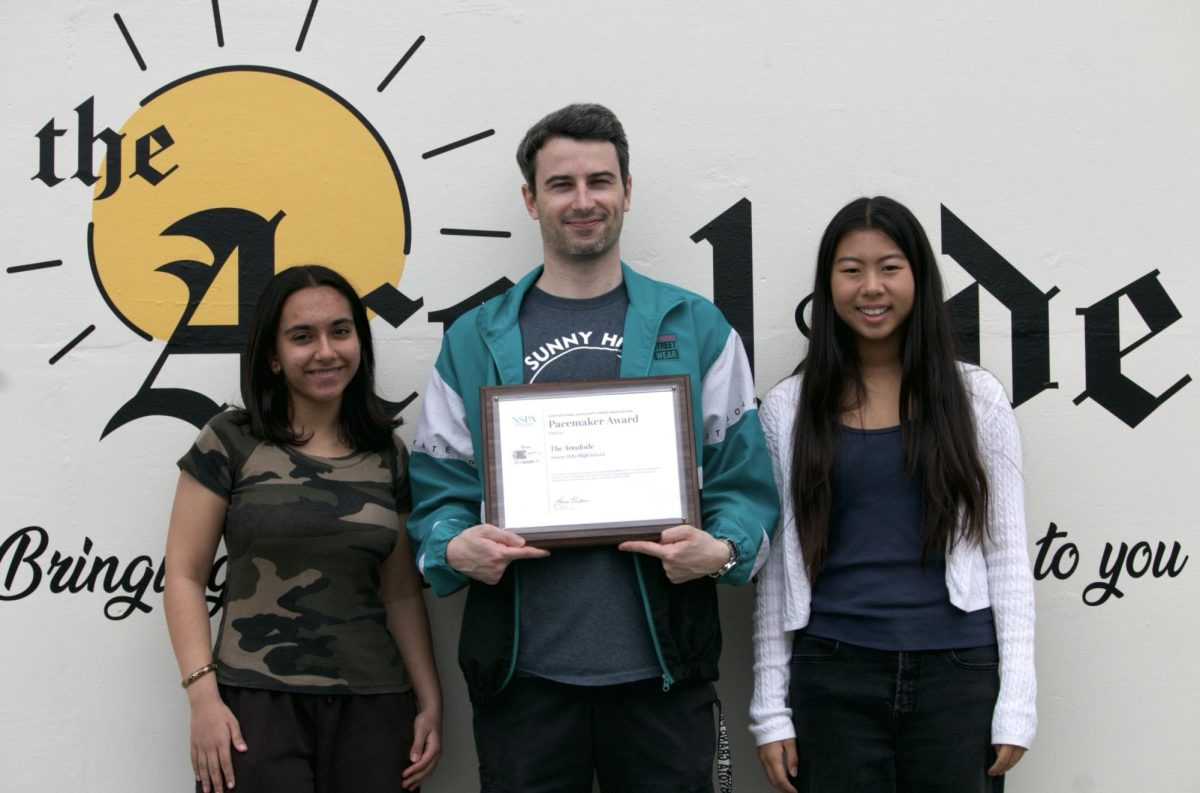
I became video team leader in my senior year, won two video awards and helped The Accolade earn recognition for multimedia. These accomplishments did not happen because I suddenly became the loudest person in the room or the most naturally talented journalist. They happened because I stayed with something I originally did not want.
Now, as I wear my final gray The Accolade hoodie, it feels different from the burgundy one before it. At first, they felt like just another hoodie; now, it carries the weight of deadlines, frustration, awards and work people do not always see.
I don’t plan on continuing journalism in college – this is my bittersweet goodbye, but it is one I am proud of. I came into The Accolade wanting to write stories, but I leave knowing that, even from behind the camera, I helped tell them.