

As a continuing feature, The Accolade delves into the origins of Sunny Hills culture or landmarks. This time, we take a look at our annual International Food Fair [IFF]. We sent Sports editor junior Ellen Hwang to report on how this tradition came to be.
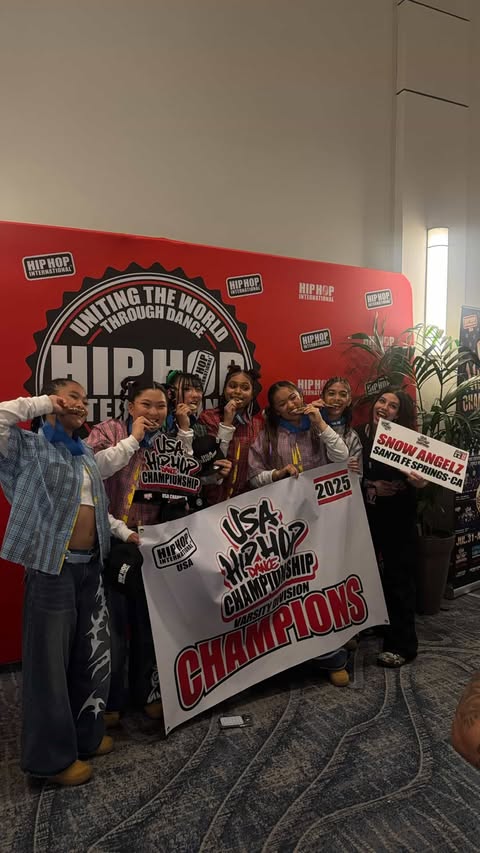
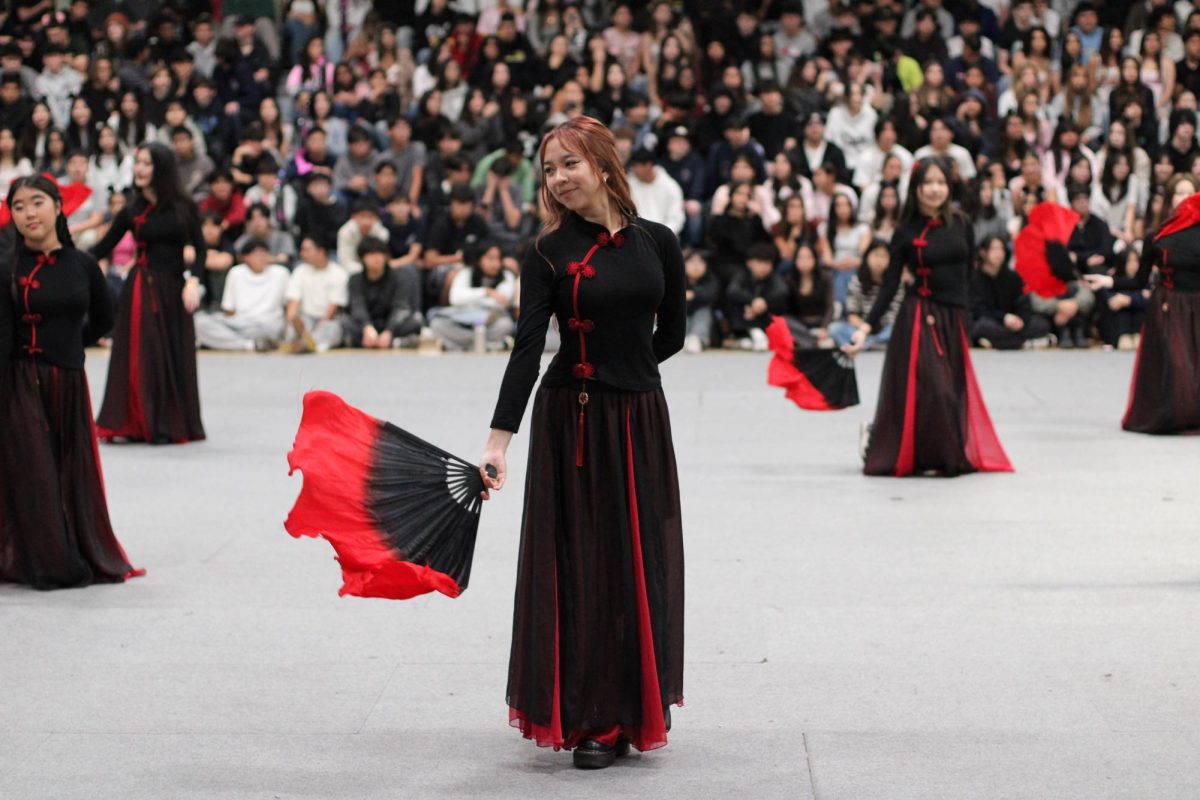
Bright pops of red clash with the flowy black qipao-style dress of the Chinese Club members as they twirl at the center of the SH gym.
The newly added German performance starts off strong with vibrant music and brings amazement to the audience with the ending moves of the boys spinning the girls around.
Hundreds of students flood the halls and eagerly wait in front of food stands on the only day in the school year when the usual 30-minute lunch gets extended to one hour.
Forty-one booths comprised of clubs and countries with diverse food options, ranging from pupusas at the El Salvador stand to adobo at the Philippines stand.
International Day allows students to immerse themselves and experience different cultures outside of their own through creative and fun events.
A NOT-SO-SUNNY SUNNY HILLS
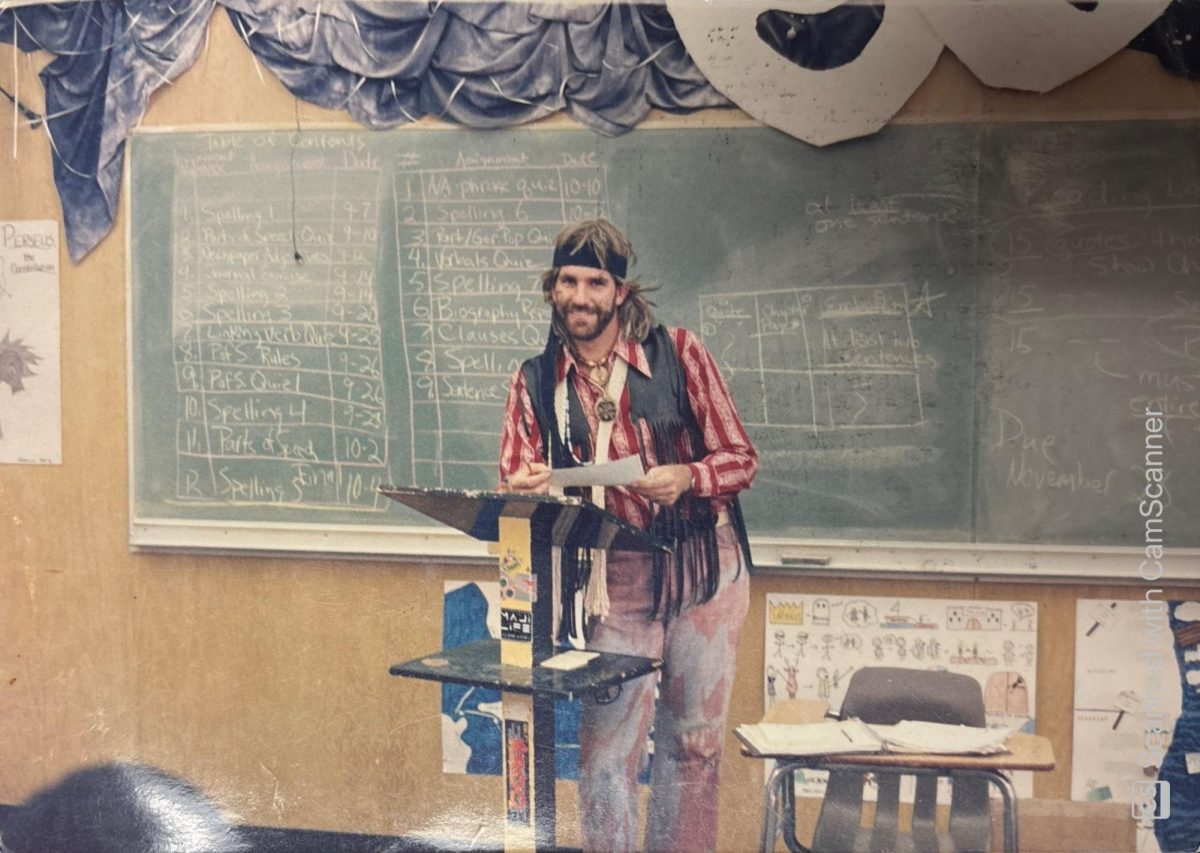
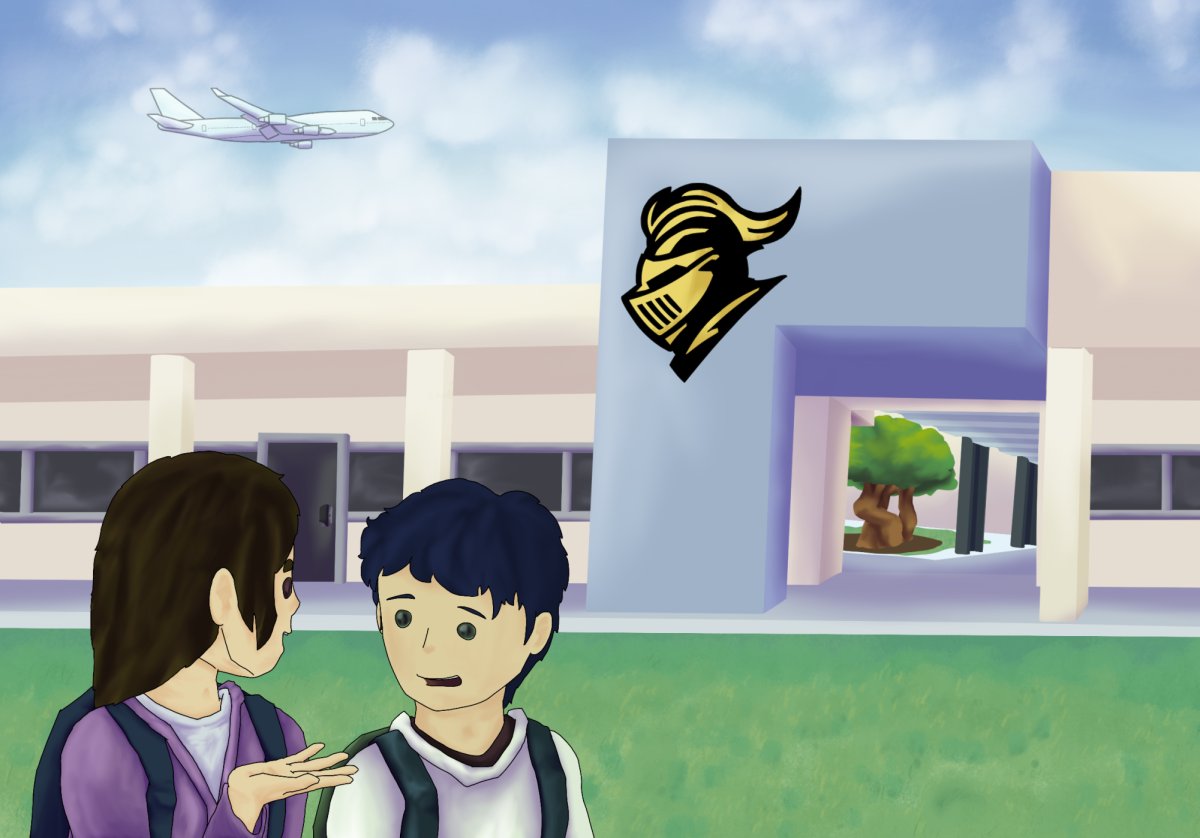
Although the current day of celebration includes an International Day assembly and IFF during lunch, it evolved from underlying racial tensions in the 1990s as the predominant race changed from white to Asian, said Class of 1991 alumna English teacher Jennifer Kim, who was an instructor at the time.
The assembly, planned by the Associated Student Body [ASB], includes various cultural performances from clubs such as the KCC, Bayanihan and Chinese Club, while the food fair has cultural foods from countries such as Mexico, Cuba, Peru and India.
Kim said this cultural focus began after a significant fight broke out among students on campus.
“The demographics were changing at Sunny Hills, we had tensions and we had a big fight on campus,” she said. “The administration at that time decided that we needed to do something about having all Lancers understand each other better.”
Class of 1988 alumna social science teacher Hera Kwon, who was a fellow teacher at the time, said people in the community were starting to sense this shift in school dynamics.
“There was a real concern within the community about how students were doing and how we were all relating to each other,” Kwon said. “It really triggered a larger thoughtfulness about how students were engaging with their [peers] and that we really needed some community building.”
In an attempt to combat such tension, teachers and select students were called into a meeting and discussed methods to relieve the strained relationship as the predominant demographic changed from white to Asian, Kim said. The result was Lancer Jam, a day with no traditional school activities, and dedicated to bonding between students.
English teacher Suzanne Boxdorfer said that on this select day, students of all grades were mixed into groups of 20 and assigned a specific classroom to play games, participate in icebreakers and converse.
But the results weren’t effective.
“The discussions of 20 kids in a classroom were too awkward and too forced,” Boxdorfer said. “It wasn’t a disaster, but it didn’t meet the need.”
Eventually, Lancer Jam fostered questions on commonalities among cultures, which were unique foods, Boxdorfer said. The school started looking for ways to upgrade this tradition into an effective activity, which led to the evolution of International Day and the incorporation of the IFF in 2004.
ASB adviser David Fenstermaker said International Day and IFF had more positive effects on the school community and brought the school together better than Lancer Jam did.
“There were times when it seemed like we were all just sort of pretending that we were this melting pot but not doing anything to celebrate it, so IFF was a way to do it,” Fenstermaker said.
A LOOK BEHIND THE SCENES
International Day’s popularity and success result from the dedication and effort put into planning for the special day, yearbook adviser Lindsay Safe said.
Fenstermaker said almost 300 people contributed to making the assembly a reality, either by planning or performing.
“When everyone’s connected to something like that, it makes a big difference,” he said. “300 people in a school of 2,300 is not nothing.”
The ASB adviser said the preparation is chaotic and requires significant practice and work every year.
“Those groups are practicing a lot of hours to get ready for that,” he said. “They’re really tied in and locked in, and the parents do a ton of work to make sure everything’s set up right for the students.”
Safe said that the day allows both students and teachers to rest and enjoy the celebration because the Parent Teacher Student Association [PTSA] organizes the other major event: IFF.
“PTSA takes care of students and us so well, and I just feel very lucky that we are here for that,” Safe said. “They work so hard for this campus, and this is just one of the things that they do to make this place special for us and for you and for everyone in our community.”
PTSA starts as early as September to finish preparations in time for International Day, which happens in February, said PTSA president Nivie Jhawar.
The steps the organization takes to plan the event are as follows:
- PTSA holds meetings with the IFF planning committee discussing future meeting dates, deadlines and to-do lists
- Around November or December, the association works with Fenstermaker to involve the clubs on campus.
- After winter break, the frequency of meetings increases, and parent volunteer recruitment begins, with a total of 99 volunteers this year.
- Selling tickets, organizing supplies for each country booth and shopping for supplies happen during the week leading up to IFF.
But preparations do not stop even after International Day. The PTSA members inquire feedback from clubs and parents, making sure the finances are sorted out, and take notes for improvements for the following IFF, Jhawar said.
“It is an enormous responsibility and undertaking to make sure everything runs smoothly and to make sure everyone has a good time,” she said. “It takes many hands to make this work — and although PTSA is at the helm, we have wonderful support and great partnerships with our SH staff, custodial staff, Mr. Fenstermaker, ASB, various clubs on campus and of course, our incredible parent volunteers.”
The PTSA president said this year’s IFF garnered special attention from the Fullerton Joint Union High School District office and guests from the Fourth District Parent Teacher Association, an organization that represents all of Orange County’s parent teacher associations.
“Everyone was blown away by what they saw — all stakeholders of our SH community working together, side by side, to create this wonderful diversity-celebrating event,” Jhawar said. “It is an honor to be part of it.”
Overall, Fenstermaker feels lucky to be able to contribute to an iconic event that’s been at Sunny Hills for 22 years.
“It says something that’s been able to last, and it says something that it’s bigger than me or any of our kids since we have it every single year,” he said. “Traditions like that are super valuable at a place like this, where there’s something that’s a legacy that, no matter what, you’re a part of something that other people have been a part of as well.”
TO IFF-INITY AND BEYOND
Principal Craig Weinreich said IFF’s ability to create connections among different ethnicities provides students with opportunities to relate to peers they might meet later in college or in the workplace.
“It’s fun to be able to experience different cultures and experience different ways of looking at who we are and what we’re able to do,” Weinreich said. “It’s such a wonderful day to celebrate all those different backgrounds… [and it] goes a long way in helping to understand another person and get along with another person and form a positive relationship with them.”
Fenstermaker said IFF is a keystone event on campus that allows the whole school to connect and learn about each other’s cultures.
“We had a bunch of different groups of kids on campus, but we’re all very similar,” he said. “They’re all dancing, celebrating and excited about who they are as people, and that doesn’t change because they’re a different culture.”
Boxforder said she also emphasizes the true meaning of IFF.
“I hope the students realize the joy of differences and the appreciation of other cultures’ artistic endeavors,” she said.
Similarly, Kim said she tells her students to try other foods rather than those from their own cultures.
“Go out there and experiment and try other stuff,” she said. “Go out there and find different stuff you see and see what you enjoy or don’t enjoy.”
Safe said appreciating different cultures was what she most wanted her students to do.
“I think the biggest thing is to celebrate the community of people that we have here on this campus and appreciate, celebrate, enjoy and learn from one another while experiencing each other’s foods,” the yearbook adviser said.