


Starting from the fall 2027 admission cycle, high school seniors who meet the minimum California State University [CSU] requirements will receive automatic acceptance to 16 CSUs through the new Direct Admission Program.
This change is the result of Senate Bill [SB] 640, which California Gov. Gavin Newsom recently signed into law, and the legislation will go into effect starting Thursday, Jan. 1.
The bill is a statewide version of a similar systemwide direct admissions program, which CSU first implemented in October 2024 as a pilot with the Riverside County Office of Education (RCOE), according to calstate.edu.
College and Career Center’s guidance technician Genesis Perez said she learned about the changes after receiving an email from the CSU Chancellor’s office.
“I think there will be a higher number of students applying because it’s like, ‘Oh, now I know it’s a possibility,’” Perez said. “Hopefully, it does open doors to students if they weren’t thinking of applying to a four-year school.”
The CSUs will collaborate with schools and administration through the California College Guidance Initiative to confirm which students meet the base requirements of completing A-G coursework and maintaining at least a 2.5 GPA.
The program identifies eligible students and offers them admission to the CSUs. As a result, students may receive an offer even if they do not formally apply for admission.
However, to enroll, students must still apply, and high-demand campuses and majors “require additional admission requirements,” according to calstate.edu. Students will receive an official acceptance offer following their submission and payment of the $70 fee.

Colleges not participating in this new legislation include:
- Cal Poly San Luis Obispo
- Cal Poly Pomona
- Cal State Fullerton
- Cal State Long Beach
- San Diego State
- San Jose State
As CSUs with high enrollment rates, they have chosen to opt out because the number of qualified applicants often exceeds available space. As a result, they will continue to use their standard admissions process.
The bill, which Gov. Gavin Newsom signed on Wednesday, Oct. 8, will also expand the Dual Admission Program to create more guaranteed transfer pathways from community colleges to the CSU system.
This will help students who are enrolled in a community college after high school graduation make a deal with a specific CSU and pick a major to guarantee themselves future admission.
Results of The Accolade’s online poll posted Thursday, Nov. 13, based on 119 responses, showed mixed results, with 45% of students seeing the change as a positive opportunity, 19% against, and 33% neutral.
“I think that it can be a good thing for students who don’t want to transfer from a community college,” junior Erin Soo Hoo said.
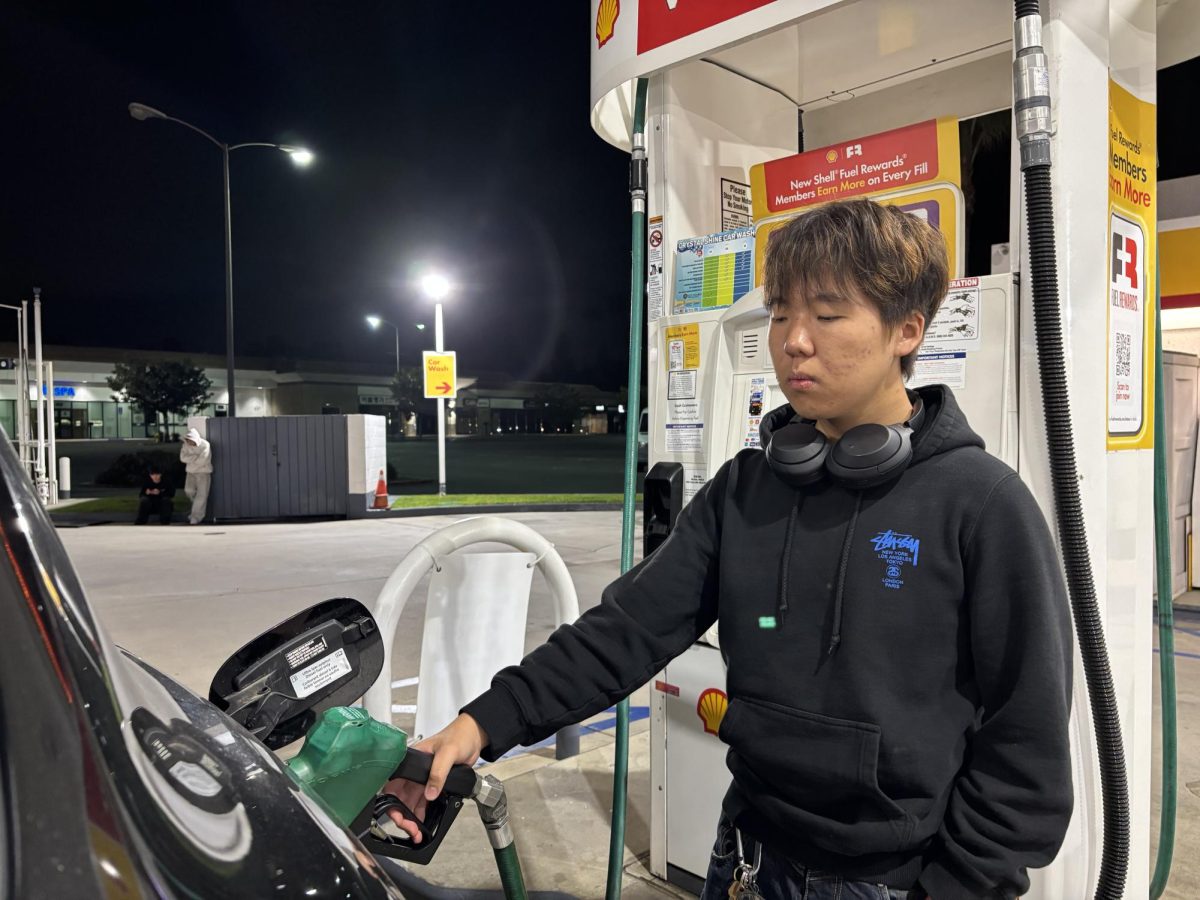
Senior Jesiah Greathouse said he felt disappointed after learning that the change would not affect this year’s applicants, and said he might have been more interested in attending a CSU if the bill had passed earlier.
“It’s not fair, and it’s like, [compared to] the people who are already seniors now, students have an advantage next year and a better opportunity,” said Greathouse, who plans to attend community college for two years before transferring. “I don’t have the best of the grades, so it would just be a second option to have, like a safety option.”
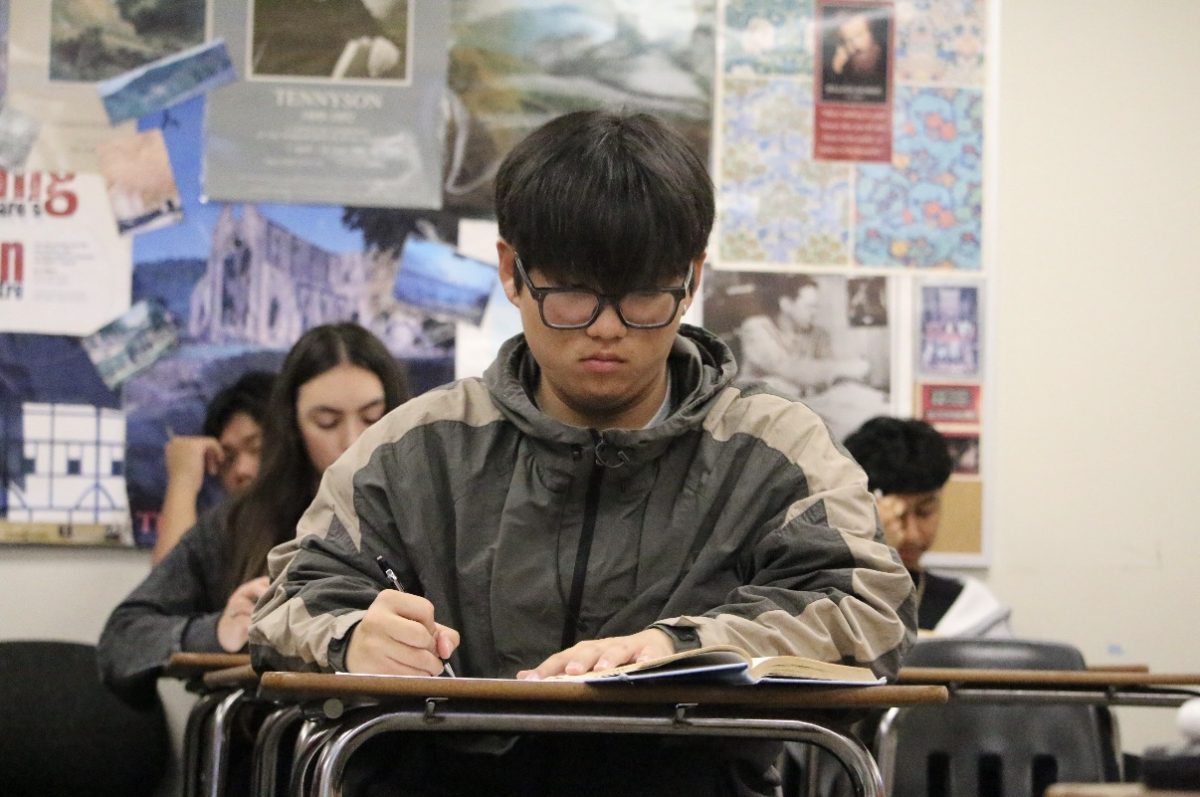
Senior Nora Skehan agreed with Greathouse and said the bill might face differing responses.
“I feel like it just kind of makes it way too easy for people to get in,” Skehan said. “I think others might think it’s a good thing if they’re not doing as well in school, but for people who actually try, I feel like it might [upset] them.”
English teacher Randy Wellen, who teaches CSU Expository Reading and Writing, said he worries that the program could leave students with considerable amounts of debt and unmarketable skills.
“Instead, the state should invest in vocational pathways in community colleges and direct-to-industry training programs,” Wellen said. “Our economy desperately needs fewer broke baristas and more young people willing to wield a ranch.”

According to calstate.edu, SB 640 “marks an important milestone in California and the CSU’s ongoing commitment to expanding equitable access to higher education.”
“It’s different for a lot of people because some people’s families say the only way is college, and some other families are like [there are] options,” Greathouse said. “It’s just a step in the process [of life].”
Students can apply through CaliforniaColleges.edu, where they can select the CSUs they’ve been admitted to as well as any other CSUs they are interested in. Then, students can complete remaining questions and additional requirements before submitting, and no essays, letters of recommendations or portfolios are needed.
Perez said that despite some students worrying that the process could lower the value or the reputation of the schools, she doesn’t think it’s something to worry too much about.
“The experience is not based on the name of the school where you go to,” Perez said. “Whether you get in through direct admissions or you go into a school that’s not participating, I think it’s just about what you make of it.”