

It typically starts as a quick distraction — just a few scrolls to pass the time.
But soon, these 15-60 second videos turn into hours of scrolling in one sitting.
This is the trap of short-form media, disguising itself as harmless downtime as it quietly rewires how attention works. Ultimately, short-form media harms attention spans, which is important for other life skills like critical thinking and meaningful interaction.
A Dec. 22 Revere Health post explained that “short-form videos seem harmless, but research shows they can contribute to attention span, mental fatigue and overstimulation.” More specifically, short-form media is connected to “weaker sustained attention, changes in the brain that cause it to be more reward-driven and less patient with slow tasks.”
Though research puts it in clinical terms, short-form media clearly changes how attention is valued. Over time, this mindset requiring constant stimulation does more harm than good, especially for a generation already struggling to focus.
Platforms like Instagram Reels, TikToks and YouTube Shorts are not designed for viewers to watch a few videos and log off; content is short, deliberately shaped to be easily digestible, discarded just as fast and instantly replaced.
Short-form media shapes how time is spent and how information is consumed, ultimately conditioning society toward compulsive, fragmented engagement — in other words, it’s promoting the memory of a goldfish.
These apps include features like infinite scroll or autoplay, which, at first, may seem trivial but work hand in hand with the addictive algorithm and the brain’s reward system to remove natural stopping points.
More importantly, according to a Sept. 13 Med Report Foundation article, “social media taps directly into the brain’s reward system.” As users swipe past boring videos in search of entertaining ones, it releases dopamine, a “feel-good” chemical messenger that regulates mood, attention and movement. Consequently, when the brain does receive this dopamine, “this repeated stimulation creates a feedback loop: the brain starts craving more, and [the] ability to disengage gets weaker,” leading viewers to continue doomscrolling and further reducing their attention span. Through this process, short-form media recklessly trains the brain in harmful ways, shaping attention, patience and the expectation for immediate rewards.
This change should be concerning, as reliance on fast, effortless content makes sustained focus feel less important. Instead of improving how information is consumed, short-form media undermines attention and leaves users less capable in a world where such skills are necessary.
A July 7 National Library of Medicine study revealed “a significant positive association between short-form video media use and inattentive behaviors,” concluding that “each one-hour increase in short-form video viewing increased inattentive behavior.” This self-reinforcing pattern keeps users locked in shallow engagement, proving that short-form media is not just distracting — it actively weakens viewers’ ability to focus for extended periods of time.
This is important in a variety of environments, especially for students in school with hourly classes requiring full attention. Short-form media distracts students from learning critical information that can be useful in the future.
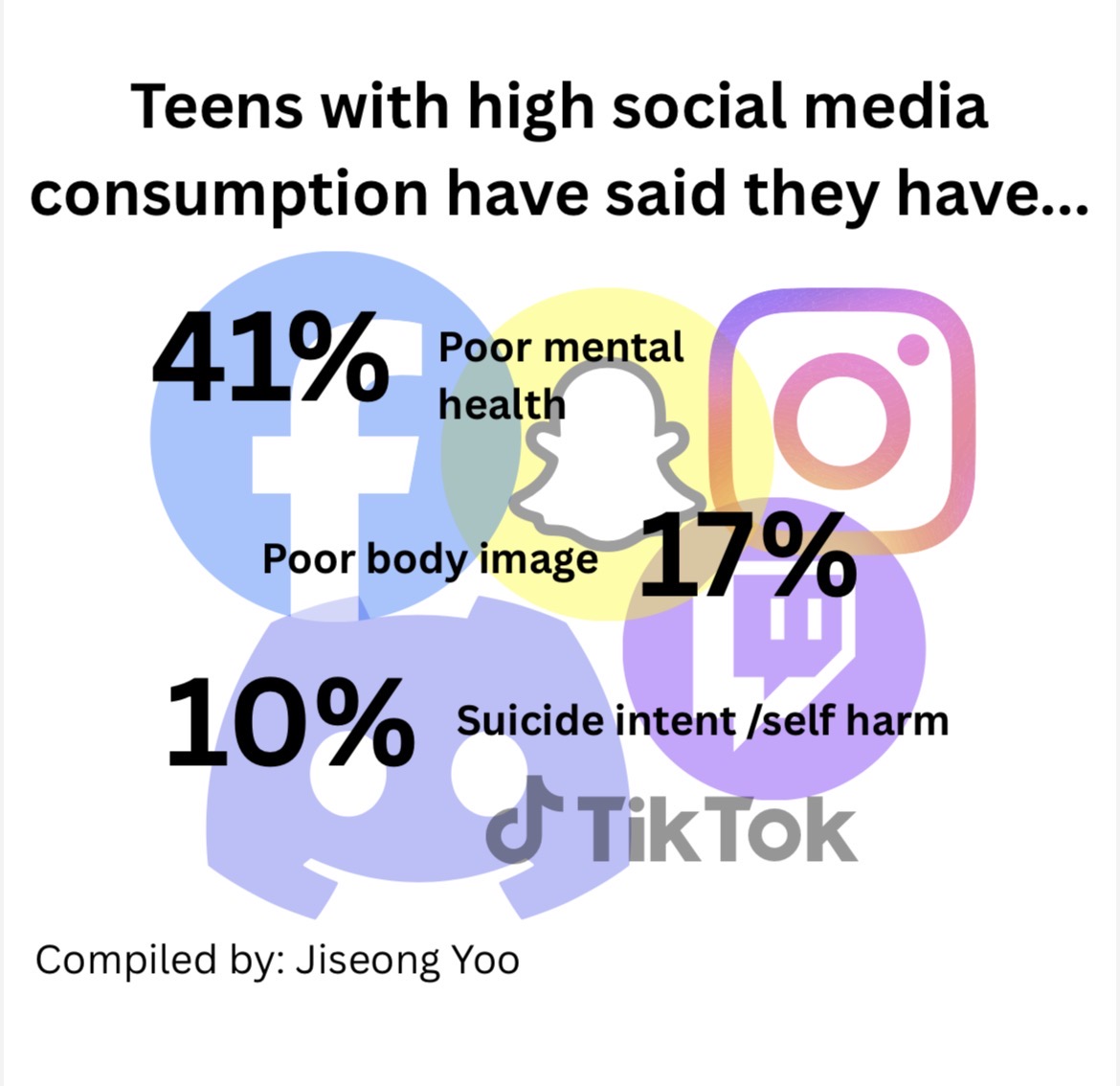
That being said, not only does short-form media detrimentally shape attention span, but it also impacts mental health. With constant exposure to fast-paced content, the brain expects stimulation at all times, making stillness and silence feel uncomfortable rather than healthy.
A Nov. 4 Times of India article coined this behavior as a ‘popcorn brain,’ where “much like popcorn popping rapidly, the brain now expects continuous novelty, from short videos to endless social feeds, and feels restless without it.”
The addictive nature of short-form media feeds itself, ultimately creating a relentless cycle where users feel compelled to keep scrolling, which shortens their attention span and lures them back into the platform.
In fact, according to a September 2019 Jama Network study, “adolescents who spend more than three hours per day using social media may be at heightened risk for mental health problems,” finding higher depressive and anxiety symptoms. Short-form media contributes to psychological distress, encouraging and normalizing a dangerous societal issue.
In today’s society, attention is essential for learning, critical thinking and meaningful connections. Short-form media takes away these skills by training the brain to prioritize instant stimulation over sustained focus. What feels like harmless scrolling often carries consequences that are easy to overlook. The problem with short-form media is not how it begins, but how easily it becomes a routine, continuing to chip away at attention and focus piece by piece.
It starts as a small distraction, but it can end as something much worse.